
Choosing the best walking pad for home isn’t just about convenience or saving space—it’s about creating a foundation for both short-term recovery and long-term wellness.
A walking pad can be a powerful tool to help the body move, adapt, and stay resilient over time. Especially if you live in a situation where its difficult to get out to walk – maybe you are restricted by disability or you are in a deep icy winter. 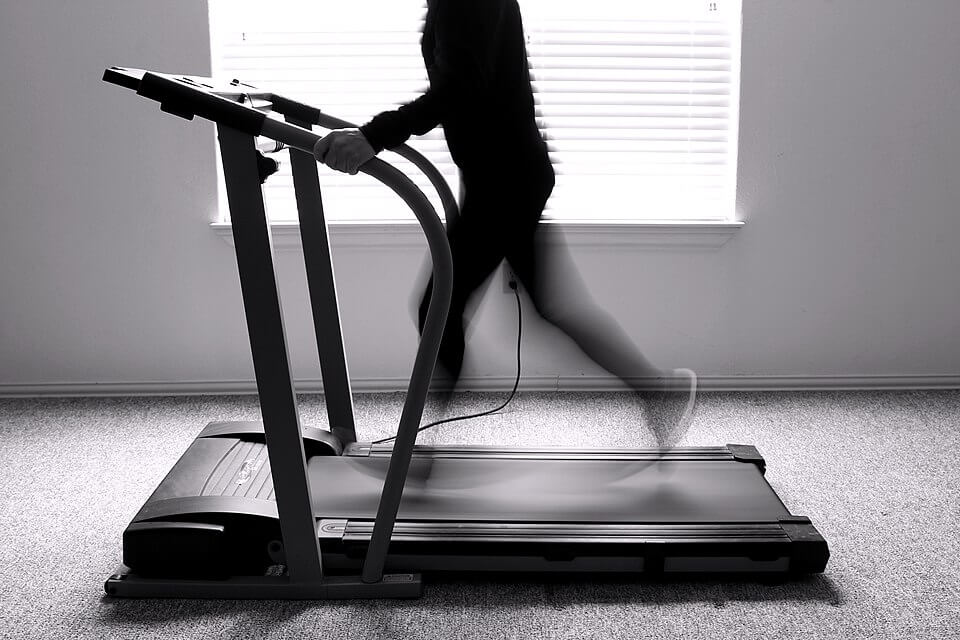
How Do You Define “Best” Walking Pad For Home?
So a walking pad is a compact treadmill designed for walking, often slim enough to store under furniture and quiet enough for home or office use.
Many people use walking pads under standing desks to add steps while working but what do you want it for and what does “best” mean to you?
Quietest? Most portable? Best value? Able to tolerate slow, med, high speed walking and maybe light running? Optional vibration pad feature?
Some features to consider before purchasing:
- Low profile design for easy storage
- Walking-focused speed range (ideal for steady movement)
- Lightweight + wheels for portability
- Minimal setup compared to large treadmills
Why people use walking pads
- To reduce long sitting time
- To hit daily step goals without bad weather
- To support weight management and energy
- To keep joints moving gently and consistently
How to choose the right walking pad
Look at:
- User weight limit
- Belt width/length (bigger belt = more stable stride)
- Noise rating
- Shock absorption
- Warranty + return policy
- Counters and Apps to measure progress
Dr Craig Unboxes His Best Walking Pad Here:
Perfect Partnership – A Walking Pad and Chiropractic Care
At Loving Life Chiropractic, care is focussed on restoring healthy movement and reducing interference in the nervous system so the body can move and function better. Once the body is “unlocked with safe gentle chiropractic care, a walking pad complements recovery.
It encourages gentle, repetitive motion in a controlled environment allowing you to strengthen in a measured way (most walking pads have counters and speed monitors and Apps to quantitively track your progress).
Walking is one of the most neurologically rich and mechanically balanced movements the body performs, making it ideal during rehabilitation phases.
For people recovering from back pain, joint stiffness, or periods of inactivity, a walking pad allows movement to be reintroduced gradually. The controlled speed, level surface, and cushioned deck help reduce unnecessary strain while reinforcing proper gait patterns.
A Safe Way to Rebuild Daily Movement
One of the biggest challenges in rehab is doing too much too soon—or doing nothing at all. The best walking pad for home bridges that gap.
Short, frequent walking sessions can help maintain joint mobility, stimulate circulation, and reinforce postural control without overwhelming the body. Because it’s at home, there’s no barrier of travel, weather, or scheduling, making consistency far more achievable.
From Improved Movement to Long-Term Wellness Strategy
What makes a walking pad especially valuable is that it doesn’t lose relevance once symptoms improve. After the rehab phase, it naturally transitions into a long-term wellness habit.
Regular walking supports spinal movement, balance, cardiovascular health, and overall energy levels. Over months and years, this steady input of movement helps the body adapt to daily stresses more efficiently.
Final Thoughts
The best walking pad for home is more than a compact treadmill—it’s a bridge between recovery and lifelong wellness. When paired with chiropractic care, it supports the body’s natural ability to move, adapt, and thrive, both now and well into the future.
Treadmill photo attribution:
Larry D. Moore, CC BY 4.0, Wikimedia Commons