
Kidney Stone Symptoms: Causes, Natural Prevention & Chiropractic Care
So a few practice members have been asking about kidney stone symptoms and gall stones so I thought I’d do a bit of research and share with you so you can share with your friends and family.
What Are Kidney Stones?
Kidney stones (nephrolithiasis or urolithiasis) are hard mineral deposits that form inside the kidneys when substances in urine become too concentrated and crystallize. These crystals can grow into stones that may remain in the kidney or travel into the ureter. When a stone moves through the urinary tract it can cause severe flank pain, nausea, and urinary symptoms.
Kidney stones affect roughly 1 in 10 people during their lifetime and are becoming increasingly common in North America. More about why that in another weekly article!
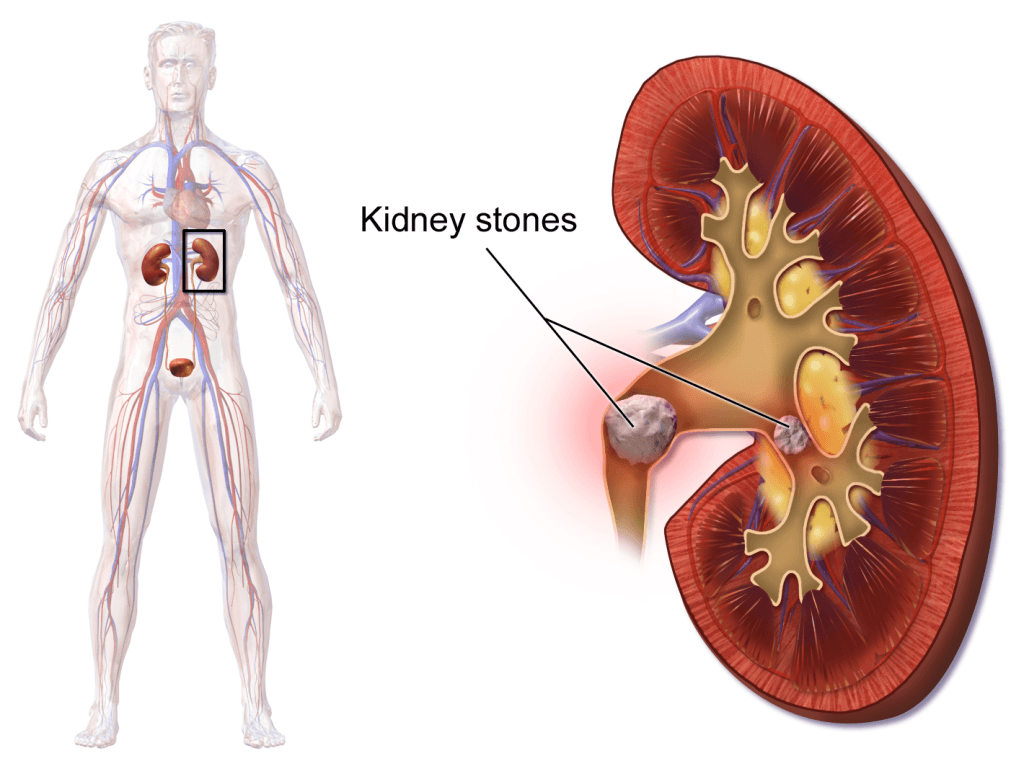 Types of Kidney Stones
• Calcium oxalate stones – the most common type.
• Uric acid stones – often linked to dehydration or high animal protein intake.
• Struvite stones – typically associated with urinary tract infections.
• Cystine stones – rare genetic stones caused by cystinuria.
What Causes Kidney Stones?
Kidney stones develop when urine becomes supersaturated with minerals. Normally urine contains substances that inhibit crystal formation, including citrate and adequate fluid levels. When these protective factors drop, crystals can grow and form stones.
Common Risk Factors
• Chronic dehydration (this is believed to be the cause in over 50% of all cases)
• High sodium intake
• Low urinary citrate
• High animal protein diets
• Lifestyle choices leading to obesity (aka Metabolic syndrome in medical model)
• Digestive disorders affecting mineral absorption
• Family history
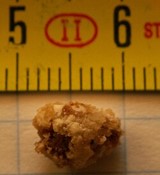
Five Natural Ways to Support the Body When Kidney Stones Occur
⚠ Severe pain, fever, vomiting, or difficulty urinating requires health care evaluation immediately.
1. Increase Fluid Intake – Producing a larger urine volume dilutes stone‑forming minerals.
2. Increase Dietary Citrate – Citrate binds calcium in urine and reduces crystal formation.
3. Reduce Sodium Intake – High salt increases urinary calcium.
4. Maintain Adequate Dietary Calcium – Proper calcium intake helps reduce oxalate absorption.
5. Support Comfort During Stone Passage – Heat, hydration, and gentle movement may help while medical care is pursued.
Three Habits That Help Prevent Kidney Stones
1. Stay consistently hydrated (2litres minimum – tea/coffee/caffeine drinks/soda etc does not count).
2. Reduce salt intake.
3. Have a diet which is rich in leafy vegetables (spinach/beet greens/swiss chard in moderation) and fruits like lemons, orange, melon
Kidney Stone Symptoms – The Classic Referred Pain Pattern
1. Flank pain (starting point)
- Begins just below the rib cage in the back | Often described as deep, severe, and comes in waves.
2. Radiates to the side of the abdomen
- Pain spreads around the flank toward the lateral abdomen.
3. Groin radiation. As the stone moves down the ureter, pain commonly travels to:
- Lower abdomen | Groin | Testicle in men | Labia in women
The Nervous System, Kidney Function, and Chiropractic Care
The kidneys are connected to the nervous system through the renal plexus. “Fight & Flight” nerve supply originates from spinal segments T10-L1, while “Rest & Digest” influence occurs primarily through the vagus nerve.
These neural pathways influence kidney blood flow, filtration rate, and fluid and electrolyte balance.
Kidney stone formation itself is driven primarily by urine chemistry and mineral balance. Chiropractic care does not dissolve kidney stones; however, chiropractors by removing nerve system interference can help the body reorganize, function better and heal.
Loving Life Chiropractic Perspective
Kidney stones are often mistaken for lower back pain. At Loving Life Chiropractic in Ottawa, people with unusual back or flank pain are carefully assessed to determine whether symptoms may originate from spinal structures or internal organs .
When necessary, Loving Life Chiropractic will work with your medical Doctor to secure imaging and make sure you get the safest, healthiest and best outcome.
References and Further Reading
1. Case study – Improved Kidney Function Following chiropractic care abstract here.
2. AAFP Kidney Stone Guidelines: https://www.aafp.org/pubs/afp/issues/2019/0415/p490.html
3. Kidney Stone Pathophysiology: https://pmc.ncbi.nlm.nih.gov/articles/PMC3252394/
4.Renal Autonomic Innervation: https://www.ncbi.nlm.nih.gov/books/NBK459339/
5. National Institute of Diabetes and Digestive and Kidney Diseases: https://www.niddk.nih.gov/health-information/urologic-diseases/kidney-stones
Wikimedia Image Attribution
Image ‘Kidney stone diagram’, Author: BruceBlaus, | Image ‘8mm kidney stone’, Author: Robert R Wal